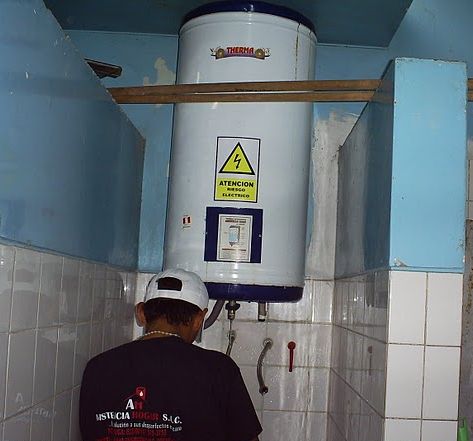
Sabía que las Termas eléctricas de Tanque necesitan mantenimiento ?

termaEn muchas casas y departamentos y hasta oficinas se usan las famosas Termas Eléctricas de tipo Tanque porque su mayor capacidad las hace adecuadas para su uso de una mayor cantidad de personas.
Mientras que en un departamento pequeño con una ducha eléctrica es suficiente, para un inmueble más grande y con más personas se vuelve incomoda habiendo más baños y grifos de doble temperatura en la cocina.

Estas termas eléctricas de tanque necesitan Mantenimiento Preventivo para evitar que el agua que contiene sales de calcio o magnesio (conocida como aguas duras) obstruyan las tuberías y luego salga más caro el arreglo total.

Es por eso que los tanques necesitan un vaciado y limpieza para extraer los sedimentos acumulados en su interior durante el tiempo. En cuanto a la frecuencia de mantenimiento eso dependerá exclusivamente de la recomendación del fabricante, si hasta ahora no lo ha hecho, sería bueno que contacte al servicio técnico de la marca y le consulte sobre este tema, ellos le indicarán según el modelo.

Tenga en cuenta que los tanques hechos de fierro galvanizado tienden a oxidarse y corroerse a lo largo de los años, esto debido al clima húmedo de algunas ciudades, en algunos casos los técnicos le podrán recomendar el pintado exterior con pinturas anticorrosivas y algún tratamiento para ello.

Si va a comprar una terma eléctrica de tanque, cerciórese que la marca o casa que le venda el artefacto le explique y le de un plan de mantenimiento, quizás le puedan ofrecer los primeros mantenimientos gratis o algo así. Verifique además las garantías que algunas veces vienen separadas para las resistencias, el tanque y grifería.

Si va a viajar o no va a usar la terma por tiempos largos (como en verano) es mejor desconectar la terma del sistema eléctrico y por supuesto use una llave termo-mágnética para aislarla de la conexión eléctrica de la casa.

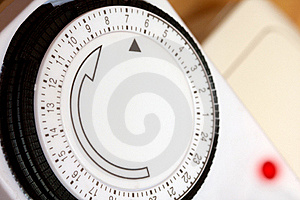
timer termaSi desea optimizar el uso de la terma para algunos horarios instale un Timer, éste es un dispositivo eléctrico que se instala entre la terma y la llave termomágnetica para activar la calefacción por horarios que usted establezca, por ejemplo puede configurarlo para que se encienda a las 6am hasta las 8am, luego se apagará automáticamente hasta el siguiente día, por supuesto el agua permanecerá aún caliente para algunos usos en la cocina. (Use Timers para termas y no otros pequeños que no tienen la potencia necesaria … podría provocar un incendio… Cuidado !)

»Alturas de Machu Picchu», un poema convertido en canción

En medio de las celebraciones por el centenario de Machu Picchu, hemos oído que un grupo influyente en Chile y Sudamérica, se haría presente en la fiesta grande de nuestra maravilla mundial.

Me refiero al grupo ‘Los Jaivas’, quinteto que se ha caraterizado por la exploración y fusión de diferentes estilos musicales. desde la música tropical en sus inicios, pasando por el jazz, rock clásico y la fusión latinoamericana.

Su formación original estuvo compuesta por:

  • Eduardo «Gato» Alquinta: voz, guitarra, instrumentos de cuerda y viento, percusión
  • Mario Mutis: Bajo, instrumentos de cuerda y viento, percusión, coros
  • Gabriel Parra: Batería, percusión, instrumentos de cuerda y viento, coros
  • Claudio Parra: Piano, acordeón, teclados, sintetizadores, percusión
  • Eduardo Parra: Órgano, teclados, sintetizadores, percusión

Los Jaivas lanzaron en 1981 el tema »Alturas de Machu Picchu», considerado el más importante y popular en la historia discográfica del grupo, y al mismo tiempo, el «segundo mejor disco chileno de todos los tiempos», según la popular revista Rolling Stone.

En esta canción, Los Jaivas musicalizan un popular poema de Pablo Neruda, del mismo título, aparecido en su libro Canto General en 1950En este poema, el poeta canta, subyugado por la grandeza de la creación humana que él atestigua en las ruinas de Machu Picchu, sobre el glorioso pasado indígena de América Latina.

Mientras estaban en Francia, Los Jaivas recibieron la visita del productor peruano Daniel Camino, quien les presentó su idea: componer una gran cantata latinoamericana inspirada en los versos de «Alturas de Machu Picchu» de Pablo Neruda, con la participación de grandes voces como Mercedes Sosa y Chabuca Granda, e interpretada y registrada para la televisión en las propias ruinas, con la intervención de Mario Vargas Llosa en la presentación.

Precisamente, en el video de la canción, Vargas Llosa aparece compartiendo algunas palabras sobre lo que representa la majestuosidad de Machu Picchu para el mundo.

Precisamente, hoy 07 de Julio de 2011, Los Jaivas abrieron el concierto de gala programado en Machu Picchu con un generoso despliegue de instrumentos de viento, guitarras eléctricas, teclados y batería.

[yframe url=’http://www.youtube.com/watch?v=rxQJSwFCMbg&feature=player_embedded’]

Other festivities in April – Peru

Anniversary of the Constitutional Province of Callao / April 22nd
On this date, the people commemorate the naming of Callao as a ConstitutionalProvince in 1857. A series of activities like tourist rides, a painting contest, historical expositions, Te Deum Mass, civic-patriotic ceremonies, parades, and many others take place in order to celebrate this anniversary.

Anniversary of the Founding of the city of Huamanga / April 25th
Province of Huamanga, District of Ayacucho. Ayacucho
Cultural activities, sporting events, contests, handicrafts expositions, andtesting of typical dishes are featured.

Complete and updated information in: www.deperu.com/calendario/

Other festivities in March – Peru

Wine Grape Festival / March
Provinces of Chincha and Ica Ica
This is a celebration of the grape harvest and the wine making in the department. Fairs, contests, parades with floats, musical festivals, and parties are organized. The Wine Grape Queen is chosen, and she is the first to start crushing the grapes that make the wines, piscos, and other liquors.

Surfing Championship / March
Province of Ascope, District of Chicama La Libertad
It takes place in MalabrigoBeach (also known as ChicamaBeach) and surfers from all over the world participate. This beach is worldwide famous for the largest left handed wave in the world.

Saint Joseph Festival / March
Province of Trujillo, District of Moche, Las Delicias Beach Resort La Libertad
Emulating Spanish traditions, these festivities feature typical Spanish dishes and drinks, people dress up and the streets and houses are decorated in the Spanish style. Besides processions of Peruvian Paso horses, heifers freed like in Pamplona, a bull festival, and a bull fight, tascas (bars), tunas (musical groups), and tablaos (Flemish dances) are organized.

Wine Grape Harvest Festival / March
Lima
This takes place in the traditional district of Santiago de Surco and includes activities like the election of a Harvest Queen and visits to wineries for wine-testing sessions.

Holy Week – March – April
Province of Huancavelica, District of Huancavelica Huancavelica
The celebration begins with the procession of the Sorrowful Virgin on Friday followed by the Palm Sunday mass and massive nightly processions for personal reflection.

Easter in Ica / March or April
The entire department Ica
This festival starts on Palm Sunday with the procession of the Lord of the Triumph and ends with the resurrection procession, also known as “The Drunken Procession”. The streets are decorated with flower carpets and triumphal arches.

Holy Week / March – April (variable date)
Province of Tarma and Valle del Mantaro. Junín
During this celebration week, the communities create flower carpets that cover the city streets and organize liturgical ceremonies and processions with Andean characteristics

Holy Week – Expo Oxa / March – April (variable date)
Province of Oxapampa Pasco
Holy Week is the time chosen by the descendents of the Austrian-German settlers to organize parties with samples of food and dances brought over from Europe at the beginning of the twentieth century. Additionally, farming and handcrafted product exhibitions take place as well as drawing and painting competitions.

Complete and updated information in: www.deperu.com/calendario/

Crosses of Porcon in Cajamarca

In this festivity, immense reed and palm crosses parade the Porcón valley. They are all decorated with oval and round mirrors (representing the souls of the dead) and with images of Virgin Mary, the Sacred Heart and several saints. On Palm Sunday, the central day, crosses are crowned, prayers are sung in Quechua and Latin, and people march in procession to church.

During the procession, “angels” haul the “señorca”, a female donkey representing the triumphal entrance of Jesus in Jerusalem. By road: Granja Porcón, 30 km / 19 miles (55 min) from Cajamarca

By the road to Bambamarca, take detour at km 20.

HOW TO GET THERE
By road: Granja Porcón, 30 km / 19 miles (55 min) from Cajamarca
By the road to Bambamarca, take detour at km 20.

SITE:
Cajamarca Region. Location: Granja Porcón, north of Cajamarca (2720 masl / 8924 fasl).
March – April / movable
USEFUL INFORMATION:
Climate: dry and mild.
Average temperature: 14°C (57°F).

Complete and updated information in: www.deperu.com/calendario/

Wine Festival in Ica, Peru

This festival is a celebration of the abundance of grapes and wine in the region of Ica (a four-hour drive south of Lima), where persevering efforts in local vineyards have spread greenery across vast tracts of once bone-dry desert.

The Wine Festival (Festival de la Vendimia) involves fairs, competitions, processions of floats, musical festivals and parties where guests dance the Afro-Peruvian festejo.

One of the major attractions of the event is the Queen of the Wine Festival beauty pageant. Accompanied by her hand-maidens, the beauty queen treads grapes in a vat in the time-honored tradition to extract the juice that will eventually be fermented. Apart from the delicious local sweets known as tejas, made from pecans or candied fruits, filled with caramel and covered with sugar icing, those attending the event can try pisco, the aromatic and tasty grape brandy that originated in this part of southern Peru four centuries ago.

Location: Ica
Date: March (2nd week)

Complete and updated information in: www.deperu.com/calendario/

Other festivities in February – Peru

Chachapoyan Carnival – February – March
Province of Chachapoyas, Amazonas
It is a mixture of Celendinas and Chachapoyan customs. It is celebrated with the planting of “Humishas”, large trees decorated with balloons, streamers, clothing, and other objects. In addition, there is a float contest, a carnival queen election, social and popular dancing, and games with water, streamers, and colors.

Carnival of Abancay and Apurimac / February – March
The entire department, Apurimac
During the celebrations, the Pandillas (folklore groups) show their colorful costumes and dance to the music. The carnival also features ceremonies in honor of the Pachamama (Mother Earth), the “Corte de la Yunsa” (the chooping of a tree full of presents to the rhythm of the music), and the Carnival of Tica-Pallana or flowers picking

Carnival Festival of Camaná / February or March (fluctuates)
Province of Camaná, District of San José, Arequipa
The guachanacos (masked riders) ride through the city streets three days before, inviting the population to join the carnival festivities. The “yunsa” or “cortamonte” festivity happens on the main day of the celebration. On that day, you can enjoy the wonderful dishes of this place.

Ayacucho Carnival / February – March
The entire department.Ayacucho
For three days, enjoy the parade composed of marchers wearing traditional dress, regional music, food testing like the traditional puchero and chicha de jora.

Cajamarca Carnival / February – March (variable)
Province of Cajamarca, District of Cajamarca and its surrounding areas. Cajamarca
This is one of the most important celebrations in the department. Every neighborhood prepares itself for different contests like dance and music. The people organize a parade and accompany the Momo King, while other groups simultaneously dance and sing, spreading joy through the streets. The nights are the time to crown queens, to see popular dancing, and to taste traditional food and drink. This celebration lasts for one month with eight main days.

Negro Summer Festival / February
Province of Chincha, District of El Carmen Ica
This is an Afro-Peruvian dance contest. There are also craft, wine and food fairs as well as main street parades.

Huanchaco Carnival / February
Province of Trujillo, District of Huanchaco La Libertad
The Huanchaco Carnival originated at the beginning of the twentieth century, inspired by the Venice Carnival. The tradition was updated twenty years ago, and today the celebration includes the election of the Carnival Queen, floats, parades, people in costumes, carnival dances, and contests.

Toqto Fights / 2nd February
Province of Chumbivilcas, District of Livitaca (Toctopata) Cusco
These take place in Toqto, a town located between the Districts of Yanaoca and Livitaca. The fights last three days and represent the past when the people fought to receive more land. On the first day, people settle down in the place; the second day, one-on-one fights begin, and later, groups of five to ten men are formed. After eating and drinking, everyone fights on the third day, and when the games end, the wounded are taken care of and the communities perform the qhaswa (a party for both winners and losers)

Madre de Dios Carnival / February (variable date)
The entire department Madre de Dios
There are parades that move along the main streets of the city, marching contests, a beauty queen contest, and the election of Miss Manguare and King Momo.

Ucayali Carnival – February – March
Province of Coronel Portillo, Districts of Calleria and Yarinacocha Ucayali
There are dance contests around the humisha or cortamonte. A carnival queen is chosen, and there is a parade with traditional marching contests and floats.

Complete and updated information in: www.deperu.com/calendario/

Carnivals in Peru

Peruvian carnivals are marked by the festive character of Andean areas, which regularly break with their solemn traditions.

Beyond regional variations, a common characteristic of nearly the entire highland chain is the ritual of the yunza, called umisha in the jungle and cortamonte on the coast. It involves artificially planting a tree trunk laden with gifts, around which the guests dance until it is chopped with a machete or an ax. The couple who make the final hack that brings down the tree will then both be in charge of organizing the yunza next year.

Peruvians across the country are extremely fond of tossing buckets of water at each other during this festival, so onlookers would be wise to take precautions. Cities where carnivals reach a high point include Cajamarca, Puno and Ayacucho.

Location: All over Peru.
Date: February / March

Complete and updated information in: www.deperu.com/calendario/

Virgen de la Candelaria in Puno

On the central day, the Virgin parades the city in a colorful procession, followed by more than 200 bands of musicians and a similar number of groups who dance around the city and compete for prizes in the local stadium. The festivity is related to the pre-Hispanic farming cycles of planting and harvesting (worshipping Pachamama or Mother Earth), as well as with the region’s mining activity.

Puno Region. Location: city of Puno (3808 masl / 12493 fasl).
February / first half

USEFUL INFORMATION:
Climate: dry and cold.
Average temperature: 10ºC (50ºF). During 18 days the city of Puno, on the shores of lake Titicaca, becomes the folklore capital of the Americas.

HOW TO GET THERE
By plane: from Lima and Arequipa to Juliaca (Puno).
By train: Cusco – Puno train (10 h).
By road: from Cusco, Arequipa and Lima.

Complete and updated information in: www.deperu.com/calendario/

Marinera Festival in Trujillo, La Libertad

The Mansiche Arena in Trujillo is the stage for the National Marinera Contest, the most elegant by couples dance in Peru. Different categories and choreographic styles are judged. Both dancers swirl while waving a white kerchief and executing a number of characteristic steps. The made dancer wears a poncho and a hat, and if riding horse back, he does so on a Peruvian Paso horse. His lady wears a beautiful typical regional dress.

La Libertad Region
January / February

USEFUL INFORMATION:
Location: city of Trujillo (34 masl / 112 fasl).
Climate: mild and warm.
Average temperature: 19ºC (66ºF).

HOW TO GET THERE
By plane: daily flights from Lima to Trujillo (1 h).
By road: 560 km / 348 miles (8 h) from Lima through the North pan-American Highway.

Complete and updated information in: www.deperu.com/calendario/